


Children have rights in the virtual world, too.
The Convention on Children’s Rights in the Digital World is a collective call for children’s online safety, privacy, and freedom of expression.
👉 Support it with your signature.
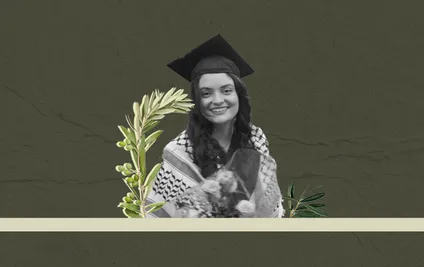
Aysenur Ezgi Eygi’s murder by Israel, echoing Rachel Corrie’s fate two decades earlier, is a stark reminder that unpunished violence persists, and shamefully many governments continue to provide diplomatic, economic, intelligence, and weapons support to the Israeli regime.
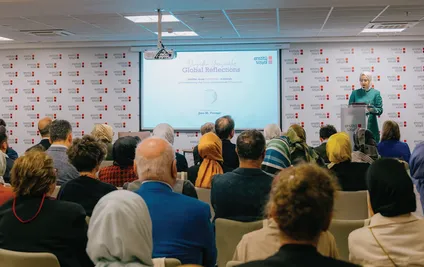
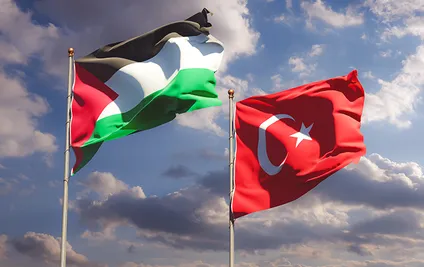
Türkiye has a rich history of supporting migrants in higher education. Drawing on this experience, Turkish universities could play a critical role in rebuilding Gaza’s fragmented academic capacity and infrastructure, thereby becoming a determining factor in Palestine’s future.
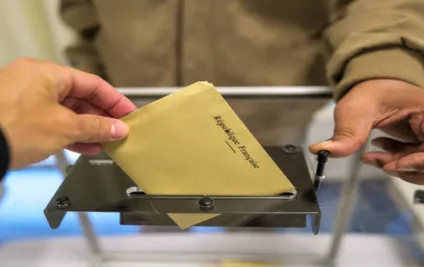
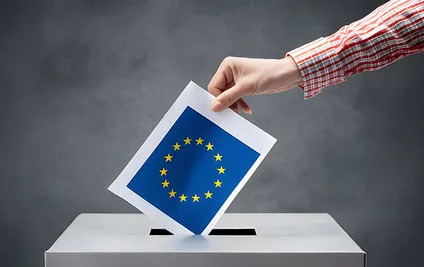
The far right’s rapid rise to power in Western Europe continues in a remarkably striking manner. But what is the underlying factor triggering this rise? Is the far right weakening democracy, or is the weakening of democracy enabling the far right to gain strength?
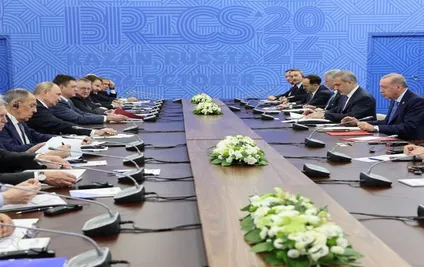
Türkiye’s relationship with BRICS is a balancing act that reflects the shifting dynamics of the global economy rather than a geopolitical shift — one in which Turkey seeks to embrace new opportunities for growth and cooperation while maintaining its traditional ties with the West.
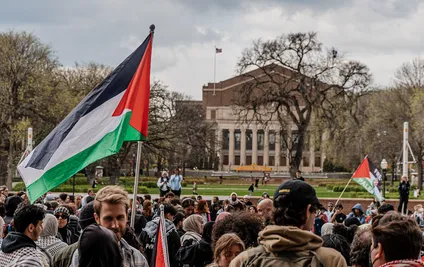
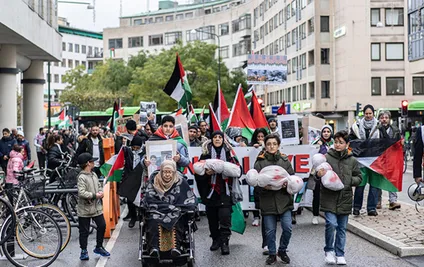
Protests organized in support of Palestine have led to significant social shifts worldwide. These movements have the potential to exert greater influence on public opinion and policy. So, what can be done to amplify their message and build broader, more inclusive support?
Nationalist movements that gained strength from the 1980s onward became entrenched and normalized alongside the EU's enlargement and deepening policies. Political discourses transforming within a supply-and-demand cycle have created new dynamics that will shape the future of the EU. So, how will Europe cope with this new political reality?
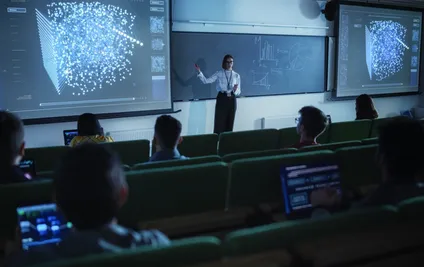
Technological innovations have always had an impact on the work and roles of educators. The arrival of artificial intelligence in universities compels us to reflect on the consequences of this latest disruption — for it is changing not only what we do as researchers and educators, but how we think.
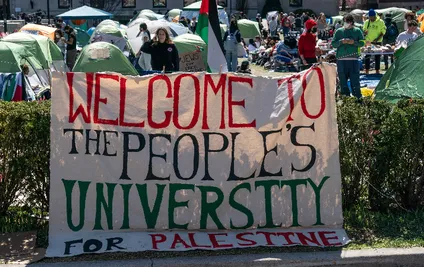
In recent years, the commercialization of higher education has turned students into passive consumers. Students in the US and Europe are demanding that their universities take a stand against the injustice of the genocide occurring in Gaza. Students are reclaiming their roles as active political agents. How will this revival of activism define the future of higher education?
Epistemic Governance is designed to mutually relate quality management understandings concerning the boundaries of academia’s internal and external governance, thereby enabling the creation of mutual reference points.
Student protests responding to the war waged against Gaza are spreading rapidly across US campuses. Public reactions against the genocide were met with security force interventions and condemnations from political elites. These initial responses to the protests once again reveal the deeply rooted place of anti-Palestinian sentiment within the dominant political discourse of the United States.
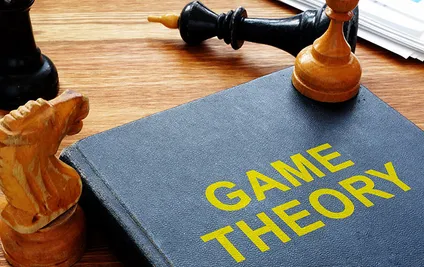
Can game theory be a key to transforming social science education? Let us together explore how this fascinating mathematical concept reshapes our conception of behavior, fosters interdisciplinary collaboration, and empowers students to venture into new fields of research.
How can feedback be designed to enable more effective learning?
İPEK COŞKUN ARMAĞAN
A working environment conducive to in-depth study